
 Send Inquiry
 Send Inquiry
Benedict's solution
Benedict's solution Specification
- Weight
- Approximately 120g (for 100ml bottle); varies by bottle size
- Size
- Variable bottle size: 100ml, 250ml, 500ml, 1L
- Use
- Testing for reducing sugars in analytical chemistry and educational labs
- Surface Finish
- Clear liquid (solution), bottle is plastic or glass
- Style
- Liquid chemical reagent
- Power Type
- Manual used reagent, does not require electrical power
- Model No
- BEN-SOL-01
- Features
- Ready-to-use, shelf stable, colorimetric test
- Assembly
- Pre-assembled, ready-to-use
- Type
- Laboratory chemical reagent
- Material
- Aqueous solution containing copper(II) sulfate, sodium carbonate, sodium citrate
- Dimensions
- Bottle: 100ml, 250ml, 500ml, 1L (varies by package)
- Shape
- Rectangular or cylindrical bottle
- Color
- Clear blue (turns green/yellow/red precipitate when heated with reducing sugars)
- Function
- Detection and qualitative estimation of reducing sugars
- Age
- For laboratory use; not intended for children under supervision
- Advantage
- Rapid color-based detection; reliable and easy to use
- Chemical Composition
- Copper(II) sulfate pentahydrate, sodium carbonate, sodium citrate
- Label Information
- Includes chemical formula, hazard warnings, batch number
- Application Method
- Mix with test sample and heat gently to observe color change
- Shelf Life
- 2 years from date of manufacture
- Safety Precautions
- Wear gloves and eye protection; avoid ingestion and contact with skin
- Packaging Type
- Sealed laboratory-grade plastic or glass bottles
- Hazard Statement
- Irritant; avoid direct contact
- Storage Conditions
- Store at room temperature in tightly closed container away from direct sunlight
- Mobility
- Liquid; bottle is portable and easy to handle
Benedict's solution Trade Information
- FOB Port
- MUMBAI
- Payment Terms
- Cash on Delivery (COD), Cash Against Delivery (CAD), Cash in Advance (CID), Cheque, Cash Advance (CA)
- Supply Ability
- 50 Per Week
- Delivery Time
- 1 Week
- Sample Available
- Yes
- Sample Policy
- Sample costs shipping and taxes has to be paid by the buyer
- Packaging Details
- CARD BOARD PACKING
- Main Export Market(s)
- Australia, North America, South America, Eastern Europe, Western Europe, Middle East, Africa, Central America, Asia
- Main Domestic Market
- All India
- Certifications
- ISO CERTIFIED PRODUCT
About Benedict's solution
Key Plant Application & Specific Usage of Benedicts Solution
Benedicts solution excels in plant biochemistry, helping researchers and educators detect reducing sugars in plant extracts. Its ready-to-use formulation and rapid color change feature simplify qualitative sugar estimation during experiments. The solutions reliable performance and safe packaging make it ideal for using in botanical laboratories, educational institutes, and research facilities where accurate sugar detection is required for evaluating plant metabolism and studying carbohydrate content.
Export Markets & Packaging Details for Reliable Delivery
Benedicts solution is delivered to major export markets, including North America, Europe, Asia, and Africa, with shipments estimated quickly from Indias key FOB ports. Each shipped goods package arrives securely in pre-assembled, sealed laboratory-grade bottles of varying sizes (100ml, 250ml, 500ml, 1L), conforming to international safety standards. Packaging details ensure the solutions stability during transit, providing consistent quality upon delivery to your laboratory or institution.
FAQs of Benedicts solution:
Q: How should Benedicts solution be stored to maintain its shelf life?
A: Store Benedicts solution at room temperature in a tightly closed container away from direct sunlight to preserve its efficacy for up to 2 years from the date of manufacture.Q: What is the process for using Benedicts solution in a laboratory test?
A: To use Benedicts solution, mix it with your test sample, then heat gently. Any presence of reducing sugars will produce a color change from clear blue to green, yellow, or red precipitate.Q: When is Benedicts solution typically applied in scientific studies?
A: Benedicts solution is commonly applied in analytical chemistry and educational labs, especially when qualitative detection or estimation of reducing sugars is required in biological or plant samples.Q: Where can Benedicts solution be purchased with international shipping options?
A: Benedicts solution is available via distributors, exporters, importers, and suppliers in India, who offer shipping to major international markets in secure packaging.Q: What are the distinct benefits of using Benedicts solution for sugar detection?
A: The solution offers rapid, reliable color-based detection, allowing easy visual identification and qualitative estimation of reducing sugars without needing complex instrumentation.Q: Is Benedicts solution safe for use by students in educational settings?
A: Benedicts solution should only be used under supervision with proper safety precautions, including wearing gloves and eye protection, as it contains irritants and is meant for laboratory use.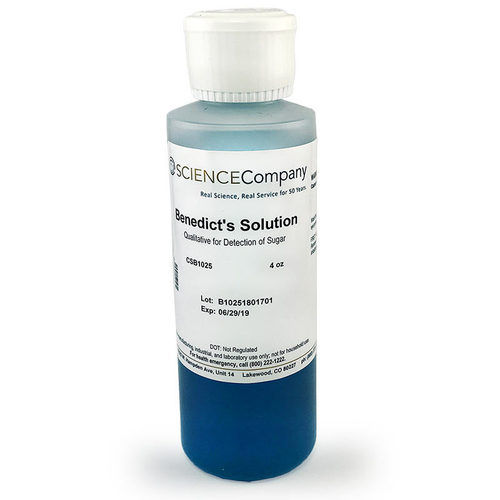

Price:
- 50
- 100
- 200
- 250
- 500
- 1000+

More Products in Nursing College Equipments Category
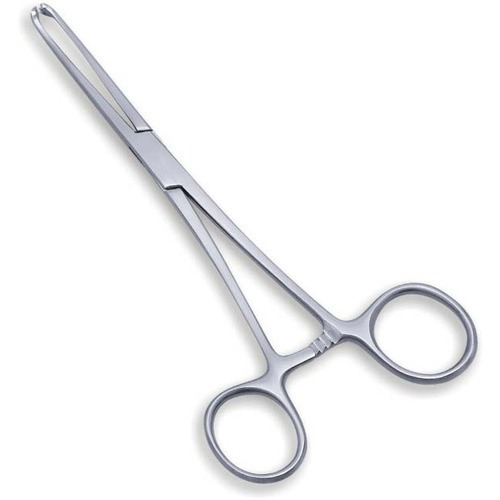
Alice forceps S.S
Dimensions : Standard surgical instrument size, approximate length 15 cm
Weight : Lightweight for precise handling
Color : Silver
Size : Available in multiple sizes (commonly 6, 7, 8)
Use : Grasping and holding tissue during surgery
Surface Finish : Satin/Matt finish for antiglare property
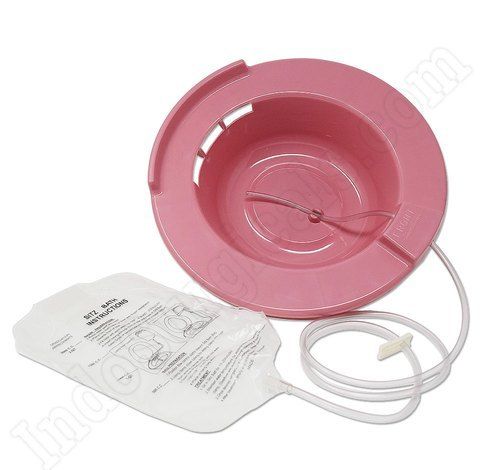
Tub for sitz bath
Dimensions : Approx. 365 mm x 300 mm x 110 mm
Weight : Approx. 350400 g
Color : White (Other colors may be available as per manufacturer)
Size : Standard (Fits Most Commode Seats)
Use : Sitz Bath, Personal Hygiene Care
Surface Finish : Smooth, Glossy
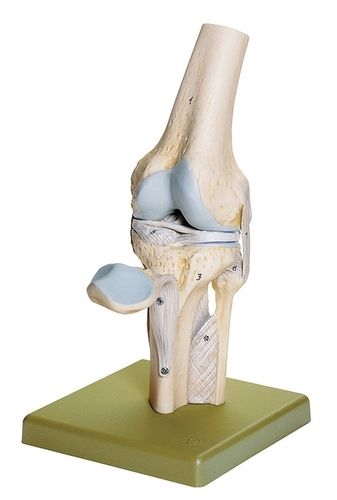
Joints knee model
Dimensions : Approx. Lifesize (38cm x 15cm x 10cm)
Weight : Approx. 800 grams
Color : Multicolor (Bone White, Ligaments Transparent/Beige)
Size : Lifesize
Use : Educational, Medical Demonstration, Training
Surface Finish : Smooth, Realistic Texture
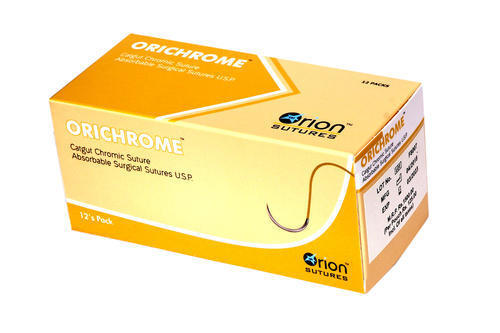
Catgut
Dimensions : Customized (commonly available as standard lengths; gauge varies by type)
Weight : Varies by size; lightweight
Color : Natural Light YellowishBrown
Size : USP Sizes available (60 to 1)
Use : Medical Suturing, Surgical Procedures
Surface Finish : Smooth, Polished

GOVT. APPROVED MANUFACTURER, SUPPLIER AND EXPORTER
 Send Inquiry
Our Products
- Laboratory Microscope
- Hospital Furnitures
- Pharmacy Instruments
- COVID-19 SAFETY EQUIPMENTS
- Physical Instruments
- Laboratory Glasswere
- Anatomical Models
- Laboratory Glassware
- MIDWIFERY & CHILD HEALTH CARE SECTION
- Unique Products
- Chemistry Lab Equipment
- Scientific Instrument
- scientific laboratory instruments
- Physics equipments
- Hospital Equipments
- Educational Equipments kits
- ANALOG LAB TRANING MODULES
- Engineering Models & Equipments.
- Scientific Instruments
- Math catalogue Math items
- Building Furniture for School, Collegs & Office
- EDUCATIONAL WORKING MODELS
- AGRICULTURE EQUIPMENTS
- GEOGRAPHY EQUIPMENTS SECTION
- Disposible items
- The Survey Engineering Equipments Section
- Nursing College Equipments
- Fluid Machnical Lab Equipmens Labcare-Online
- Heat Transfer Lab Appartus Labcare-Online
- Labcare Entomological Equipments.
- Science and Security Equipments
- Defence Utility Equipment
- Office Equipment
- Sanitary Napkins and Diapers
- I.T.I Tools and Machines
- SCIENCE LAB EQUIPMENT
- LABTRONIKS SPECTROPHOTOMETERS
- Nebulizers
- LABTRONIKS


 Send Inquiry
 Send SMS
Developed and Managed by Infocom Network Private Limited.
