
 Send Inquiry
 Send Inquiry
Life history of Honey bee model
Life history of Honey bee model Specification
- Surface Finish
- Glossy, easy-to-clean surface
- Features
- 3D depiction, segmented stages, labelled, sturdy base
- Power Type
- Non-electric, manual use
- Model No
- LH-HB-5925558
- Style
- Educational display model
- Use
- Teaching, demonstration, and study of honey bee life cycle
- Size
- 45 cm x 30 cm approx.
- Weight
- Around 600 g
- Assembly
- Pre-assembled (ready to use)
- Type
- Biology teaching model
- Material
- Durable, high-quality plastic and fiber board
- Dimensions
- Standard educational model dimensions; approx. 45cm x 30cm
- Shape
- Rectangular display board
- Color
- Multicolor
- Function
- Helps in visualizing and understanding the honey bee life history
- Age
- Suitable for all age groups, ideal for students
- Advantage
- Accurate, enlarged display of bee life stages with clear labelling
- Stages Displayed
- Egg, Larva, Pupa, Adult Honey Bee
- Educational Value
- Helps in visual learning and understanding the complete life cycle of honey bees
- Usage Area
- Biology Labs, Science Exhibitions, Classrooms, Kids Learning Centers
- Model Integrity
- Solid, Single Molded Pieces for Durability
- Language
- English (Labels) and Regional Language Option Available
- Mount Type
- Mounted on Display Board
- Customization
- Possible for bulk orders (custom labeling/language)
- Cleaning Method
- Can be wiped with a damp cloth
- Packaging
- Secured in foam and cardboard box for safe transportation
Life history of Honey bee model Trade Information
- FOB Port
- MUMBAI
- Payment Terms
- Cash on Delivery (COD), Letter of Credit at Sight (Sight L/C), Telegraphic Transfer (T/T), Paypal, Letter of Credit (L/C), Western Union, Delivery Point (DP), Cash Against Delivery (CAD), Days after Acceptance (DA), Cash in Advance (CID), Cheque, Cash Advance (CA)
- Supply Ability
- 50 Per Week
- Delivery Time
- 1 Week
- Sample Available
- Yes
- Sample Policy
- Sample costs shipping and taxes has to be paid by the buyer
- Packaging Details
- card board packing
- Main Export Market(s)
- Australia, North America, South America, Eastern Europe, Western Europe, Middle East, Africa, Central America, Asia
- Main Domestic Market
- All India
- Certifications
- ISO Certified product
About Life history of Honey bee model
Comprehensive Visual Learning Tool
This honey bee life cycle model is designed to enrich biology education by providing an enlarged, detailed view of each developmental stage. The combination of vibrant colors, segmented stages, and crystal-clear labeling makes complex processes easily understandable for learners of all ages, facilitating both group teaching and individual study.
Durability and Safety Ensured
Built from robust, high-quality plastic and fiber board, the model ensures long-lasting use within educational environments. The single-molded design and sturdy base offer added durability, while its glossy, easy-to-clean surface ensures hygiene with minimal effort. Secure foam and cardboard packaging minimize risks during transportation.
Customization and Accessibility
To cater to diverse educational needs, the model is available with labels in English or a regional language of choice (for bulk orders). Custom labeling enhances its utility across different geographic and linguistic regions. Its pre-assembled format means its ready for immediate classroom or display use.
FAQs of Life history of Honey bee model:
Q: How is the Life History of Honey Bee model used in classroom settings?
A: Teachers and students can utilize the model to visually demonstrate the honey bees complete life cycle, aiding in clearer comprehension during biology lessons, science projects, and practical demonstrations.Q: What stages of the honey bee are displayed on the model?
A: The model accurately depicts the four main developmental stages: Egg, Larva, Pupa, and Adult Honey Bee, each clearly segmented and labeled for easy identification.Q: When can I expect to receive the model, and is it pre-assembled?
A: The model is shipped pre-assembled and securely packaged in foam and a cardboard box. Once received, it is ready for immediate use without any assembly required.Q: Where is the model best suited for usage?
A: It is ideal for use in biology labs, science exhibitions, classrooms, and kids learning centersany setting where visual learning about insect life cycles is beneficial.Q: What benefits does this model offer over traditional teaching tools?
A: This model provides a tangible, enlarged 3D representation, making it easier for students to grasp the sequential changes in honey bee development, promoting visual engagement and deeper understanding.Q: How should the model be cleaned to maintain its appearance?
A: To keep the surface glossy and clean, simply wipe the model with a damp cloth. Avoid using harsh chemicals or submerging it in water.Q: Is customization possible for language or labeling?
A: Yes, custom labeling in regional languages is available for bulk orders, ensuring educational suitability for diverse linguistic audiences.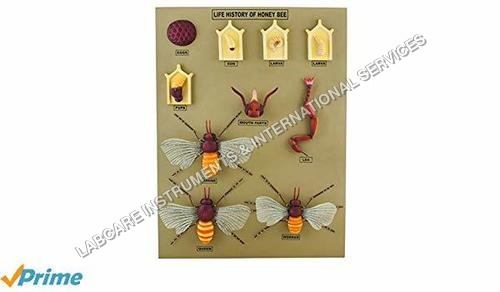

Price:
- 50
- 100
- 200
- 250
- 500
- 1000+

More Products in Anatomical Models Category
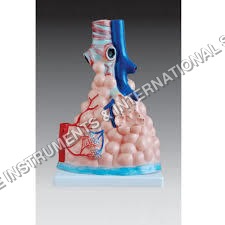
Pulmonary Alveoli Model Magnified
Advantage : Highly detailed, clearly shows alveoli sac structure
Color : Multicolored (pink, beige, red, pale tones to indicate tissues and vessels)
Type : Other, Magnified anatomical model
Shape : Irregular, anatomical representation of alveoli
Age : Suitable for all age groups in academic settings
Dimensions : Magnified view, approximate height 18 cm
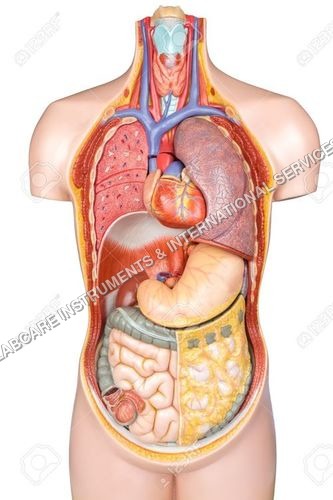
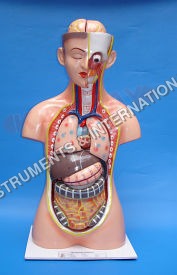
Human Body (Torso Small size)
Advantage : Durable, lightweight, detailed representation
Color : Multicolor, painted for realistic detail
Type : Other, Small size
Shape : Human torso
Age : Suitable for students, teachers and medical trainees
Dimensions : Height: approx. 45 cm
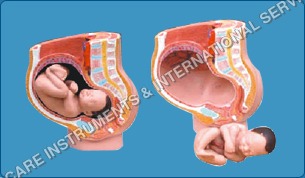
Female Pelvis model
Advantage : Realistic representation, easy to clean, longlasting
Color : Multicolor anatomically accurate paint
Type : Other, Physical anatomical model
Shape : Pelvisshaped, 3D anatomical form
Age : Suitable for all ages, mainly used by medical students and instructors
Dimensions : Approx. 24 cm x 17 cm x 11 cm
Biological models Labcare-Online
Advantage : Light weight and essy to portable
Color : multi
Type : Charts
Shape : body parts types
Age : 4 to 19 years
Dimensions : 12x 12 x12 Inch (in)

GOVT. APPROVED MANUFACTURER, SUPPLIER AND EXPORTER
 Send Inquiry
Our Products
- Laboratory Microscope
- Hospital Furnitures
- Pharmacy Instruments
- COVID-19 SAFETY EQUIPMENTS
- Physical Instruments
- Laboratory Glasswere
- Anatomical Models
- Laboratory Glassware
- MIDWIFERY & CHILD HEALTH CARE SECTION
- Unique Products
- Chemistry Lab Equipment
- Scientific Instrument
- scientific laboratory instruments
- Physics equipments
- Hospital Equipments
- Educational Equipments kits
- ANALOG LAB TRANING MODULES
- Engineering Models & Equipments.
- Scientific Instruments
- Math catalogue Math items
- Building Furniture for School, Collegs & Office
- EDUCATIONAL WORKING MODELS
- AGRICULTURE EQUIPMENTS
- GEOGRAPHY EQUIPMENTS SECTION
- Disposible items
- The Survey Engineering Equipments Section
- Nursing College Equipments
- Fluid Machnical Lab Equipmens Labcare-Online
- Heat Transfer Lab Appartus Labcare-Online
- Labcare Entomological Equipments.
- Science and Security Equipments
- Defence Utility Equipment
- Office Equipment
- Sanitary Napkins and Diapers
- I.T.I Tools and Machines
- SCIENCE LAB EQUIPMENT
- LABTRONIKS SPECTROPHOTOMETERS
- Nebulizers
- LABTRONIKS


 Send Inquiry
 Send SMS
Developed and Managed by Infocom Network Private Limited.
