
 Send Inquiry
 Send Inquiry
Windwill working model labcare
Windwill working model labcare Specification
- Size
- Standard Lab Model
- Surface Finish
- Smooth, Painted
- Weight
- Approx. 500 g
- Power Type
- Manual (Hand-cranked) / Wind Driven
- Style
- Educational Demonstration Model
- Use
- Teaching & Learning of Windmill Working Principle
- Features
- Easy to assemble, robust design, visual demonstration
- Model No
- LABCARE WINDMILL WM91
- Assembly
- Kit format, with instruction manual
- Type
- Lab Educational Working Model
- Material
- Plastic and Metal
- Dimensions
- 25 cm x 18 cm x 6 cm
- Shape
- Windmill form on rectangular base
- Color
- Green & White
- Function
- Shows mechanical energy conversion to electrical energy
- Age
- 8 Years & Above
- Advantage
- Hands-on learning, clear working demonstration
- Educational Focus
- STEM, Renewable Energy
- Packaging
- Boxed with assembly instructions
- Safety
- Non-toxic materials, rounded edges
- Base Type
- Sturdy plastic base
- Maintenance
- Low, easy cleaning
- Number of Blades
- 3
Windwill working model labcare Trade Information
- FOB Port
- MUMBAI
- Payment Terms
- Cash Against Delivery (CAD), Cash on Delivery (COD), Days after Acceptance (DA), Delivery Point (DP), Letter of Credit (L/C), Letter of Credit at Sight (Sight L/C), Telegraphic Transfer (T/T), Western Union, Paypal, Cash in Advance (CID), Cheque, Cash Advance (CA)
- Supply Ability
- 50 Per Week
- Delivery Time
- 1 Week
- Sample Available
- Yes
- Sample Policy
- Sample costs shipping and taxes has to be paid by the buyer
- Packaging Details
- Card board packing
- Main Export Market(s)
- Western Europe, Asia, Australia, North America, Eastern Europe, Middle East, South America, Central America, Africa
- Main Domestic Market
- All India
- Certifications
- ISO Certified product
Windwill working model labcare About
Our products are already matchless in the industry due to continuous improvement in quality & workmanship. our innovative nature plays a vital role to improve the things. we also keep improving the quality in tune with the latest development in the international market. We look forward to your queries and assure you for a prompt response
Engaging STEM and Renewable Energy Learning
The windmill working model is specifically crafted to introduce students to foundational STEM concepts, focusing on mechanical and electrical energy conversion. Its interactive design encourages learners to understand the workings of renewable energy sources through direct visual demonstrations, thus fostering curiosity and hands-on experience in physics and environmental science.
Safe, Durable, and Student-Friendly Design
Manufactured with high-quality plastic and metal, the model features non-toxic materials and rounded edges, providing a secure and long-lasting teaching tool. Its sturdy plastic base ensures stability during use, and a smooth painted surface adds to the overall safety and appeal, suitable for frequent classroom handling.
Easy Assembly and Versatile Demonstration
Delivered in a boxed kit format, the model includes comprehensive assembly instructions. The windmill can be powered manually by hand-cranking or by natural wind, making it versatile for different learning environments. Maintenance is minimal, requiring only simple cleaning to keep it in excellent condition for repeated use.
FAQs of Windwill working model labcare:
Q: How is the LABCARE WINDMILL WM91 assembled?
A: Assembly is straightforward. The model is packaged as a kit with easy-to-understand instruction manual. Components fit securely into the sturdy plastic base, and with its robust design, students can quickly put the windmill together under supervision.Q: What educational benefits does this windmill working model provide?
A: This model offers hands-on learning about the principles of renewable energy, specifically how wind energy converts mechanical motion into electrical energy. It supports STEM education by making complex theoretical concepts visually accessible and interactive.Q: When is the best time to incorporate this model into learning sessions?
A: This windmill model is ideal for science classes, laboratory demonstrations, and project-based learning sessions focused on energy, physics, or environmental studies. It can be used during lessons on electricity generation or as a practical complement to theoretical instruction.Q: Where can this windmill model be effectively used?
A: Designed primarily for laboratories and classrooms, the WM91 can also be used for science exhibitions, demonstrations, and workshops where hands-on educational tools enhance understanding of wind energy principles.Q: What is the process for demonstrating energy conversion with the model?
A: The model functions either by manual hand-cranking or using wind. As the blades rotate, the mechanical energy is visibly converted into electrical energy, which is clearly demonstrated by the internal mechanism, allowing students to observe the conversion in real time.Q: How should the model be maintained for longevity?
A: Routine maintenance is minimal: wipe the surface with a soft, dry cloth after use to keep the components clean. The sturdy materials and smooth finish are designed for repeated classroom use with minimal wear.Q: What are the main advantages of choosing the LABCARE WINDMILL WM91?
A: Key benefits include hands-on engagement, clear demonstrations of scientific concepts, safety for children aged 8 and above, ease of assembly, and a robust design suitable for classrooms. Its versatility and educational focus make it an invaluable resource for teaching renewable energy principles.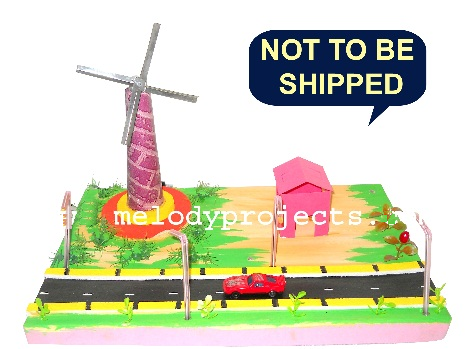

Price:
- 50
- 100
- 200
- 250
- 500
- 1000+

More Products in EDUCATIONAL WORKING MODELS Category
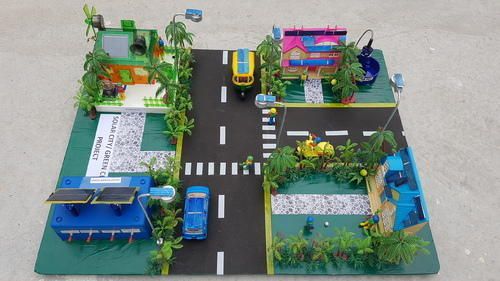
solar energy (house with light and fan in garden) working model labcare
Price 2300 INR / Set
Minimum Order Quantity : 1 , , Set
Shape : Houseshaped with garden layout
Dimensions : 40 cm x 30 cm x 20 cm (approx.)
Assembly : Preassembled, ready to use
Use : Science Project, School Lab Demonstration, Renewable Energy Education
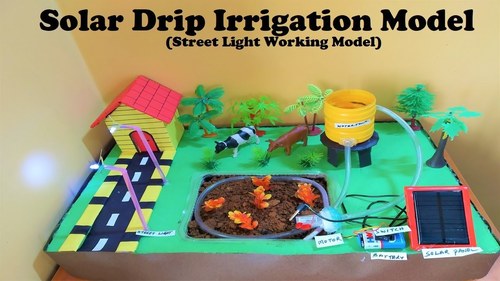
solar energy (house with light and water pump irrigation) working model product
Price 2300 / Set
Minimum Order Quantity : 1
Shape : Rectangular base with model house and farm setup
Dimensions : 45 cm x 30 cm x 16 cm
Assembly : Preassembled, ready to use
Use : Demonstration of solar energy applications in home lighting and irrigation
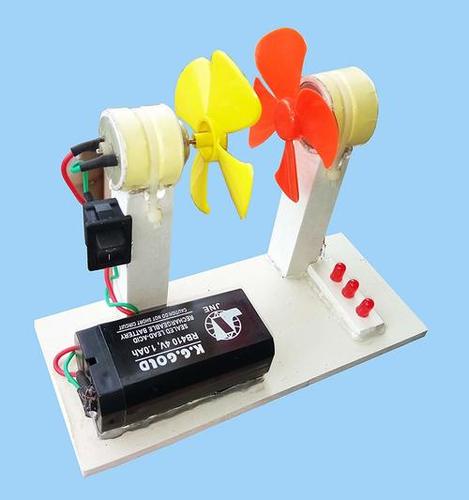
Dam with Dynamo Agriculture working model labcare
Shape : Rectangular Base with Integrated Components
Dimensions : Approx. 60 cm x 35 cm x 18 cm
Assembly : Preassembled, ready to use
Use : School & College Science Lab Demonstration
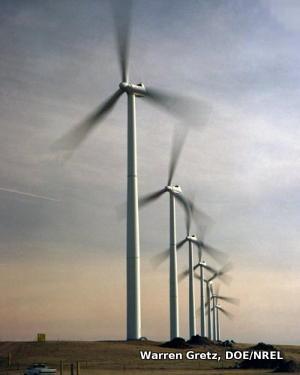
Windwill with Dynamo working model labcare
Shape : Rectangular Base with Vertical Rotor
Dimensions : Length 30 cm x Width 15 cm x Height 25 cm (Approx.)
Assembly : PreAssembled
Use : Demonstration of Wind Energy, School & College Lab

GOVT. APPROVED MANUFACTURER, SUPPLIER AND EXPORTER
 Send Inquiry
Our Products
- Laboratory Microscope
- Hospital Furnitures
- Pharmacy Instruments
- COVID-19 SAFETY EQUIPMENTS
- Physical Instruments
- Laboratory Glasswere
- Anatomical Models
- Laboratory Glassware
- MIDWIFERY & CHILD HEALTH CARE SECTION
- Unique Products
- Chemistry Lab Equipment
- Scientific Instrument
- scientific laboratory instruments
- Physics equipments
- Hospital Equipments
- Educational Equipments kits
- ANALOG LAB TRANING MODULES
- Engineering Models & Equipments.
- Scientific Instruments
- Math catalogue Math items
- Building Furniture for School, Collegs & Office
- EDUCATIONAL WORKING MODELS
- AGRICULTURE EQUIPMENTS
- GEOGRAPHY EQUIPMENTS SECTION
- Disposible items
- The Survey Engineering Equipments Section
- Nursing College Equipments
- Fluid Machnical Lab Equipmens Labcare-Online
- Heat Transfer Lab Appartus Labcare-Online
- Labcare Entomological Equipments.
- Science and Security Equipments
- Defence Utility Equipment
- Office Equipment
- Sanitary Napkins and Diapers
- I.T.I Tools and Machines
- SCIENCE LAB EQUIPMENT
- LABTRONIKS SPECTROPHOTOMETERS
- Nebulizers
- LABTRONIKS


 Send Inquiry
 Send SMS
Developed and Managed by Infocom Network Private Limited.
