
 Send Inquiry
 Send Inquiry
Inverted Tissue Culturepe
Price 35000 INR/ Piece
MOQ : 1 Piece
Inverted Tissue Culturepe Specification
- Spare Parts
- LED/halogen lamp, fuse, focusing knob, stage clips, dust cover
- Focus System
- Coaxial coarse & fine focusing with tension adjustment and upper limit stop
- View Head
- Trinocular, adjustable
- Features
- Ergonomic design, long working distance, high precision optics, anti-fungal treatment, suitable for live cell imaging, compatible with multiple culture vessels
- Theory
- An inverted tissue culture microscope is designed for observing living cells or organisms at the bottom of a large container (such as culture plates or flasks), commonly used for biological research, cell biology, and tissue culture applications.
- Drawtube
- Trinocular
- Sensor
- High Sensitivity CMOS Sensor
- Resolution
- Up to 1920 x 1080 pixels
- Interface
- USB 2.0/3.0 and HDMI
- Frame Rate
- 30 fps (full resolution)
- Focal Distance
- 45 mm
- Magnification
- 40x, 100x, 200x, 400x (using various combinations of objectives and eyepieces)
- Dimensions
- Approx. 490 x 250 x 530 mm
- Focus Range
- Up to 8 mm (coarse + fine adjustment)
- Eyepieces
- WF10x/20 mm, paired (anti-fungal, high eyepoint)
- Eyepiece Tube
- Inclined at 45, rotatable 360
- Illumination
- LED/ Halogen lamp with intensity regulator
- Coarse Adjustment Range
- 15 mm
- Fine Adjustment Range
- 0.002 mm
- Working Stage
- Mechanical stage with XY movement, opening 187 x 140 mm, travel range 75 x 50 mm
- Still Image Capture Resolution
- 1920 x 1080 pixels
- Video Capture Resolution
- 1920 x 1080 pixels @30 fps
- Image Format
- JPEG, BMP, PNG (still); AVI, MP4 (video)
- Interpupillary Distance
- 48-75 mm adjustable
- Objective Achromatic
- 4x, 10x, 20x, 40x (long working distance, phase/brightfield options)
- Condenser
- Long Working Distance (LWD) condenser, NA 0.3
- Light Source
- 6V 30W halogen or equivalent LED, adjustable intensity
- Safety Features
- Thermal fuse and overcurrent protection
- Operation Environment
- 0C to 40C, relative humidity 85% (non-condensing)
- Camera Compatibility
- Integrated or optional c-mount adapter for external camera
- Body Material
- Robust, powder coated metal frame
- Stage Movement
- Mechanical stage with low-position controls
- Voltage
- AC 100-240V, 50/60Hz universal power supply
- Objective Mount
- Revolving quadruple nosepiece
- Stage Plate
- Glass and metal stage plate provided
Inverted Tissue Culturepe Trade Information
- Minimum Order Quantity
- 1 Piece
- FOB Port
- Gujarat
- Payment Terms
- Paypal, Cash Against Delivery (CAD), Cash on Delivery (COD), Cash Advance (CA), Cash in Advance (CID), Cheque, Days after Acceptance (DA), Delivery Point (DP), Letter of Credit at Sight (Sight L/C), Telegraphic Transfer (T/T), Western Union, Letter of Credit (L/C)
- Supply Ability
- 100 Pieces Per Month
- Delivery Time
- 7 Days
- Sample Policy
- Sample costs shipping and taxes has to be paid by the buyer
- Packaging Details
- Strong packaging
- Main Export Market(s)
- Asia, Australia, Central America, North America, South America, Eastern Europe, Western Europe, Middle East, Africa
Inverted Tissue Culturepe About
Inverted Tissue Culture Microscope is used for tissue culture examination.This Microscope has coarse and fine adjustment, incident LED Light with variable light control arrangement. It comes equipped withlong working distance objectives and binocular head, complete with following optics in box :
LWD Objectives: 5x, 10x, 20x, 40x Wide Field
Eye pieces: 10x (Paired)
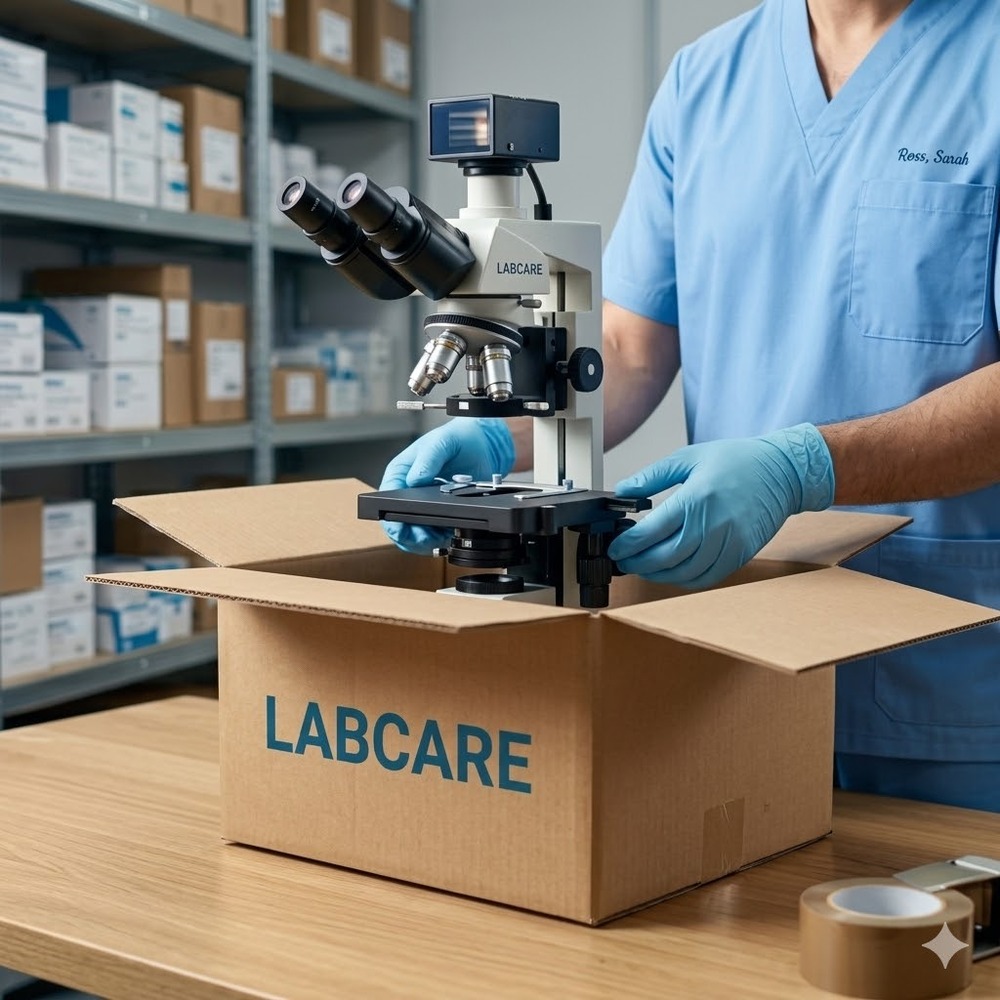
Packaging: Inner Thermocol/Styrofoam Packing and Outer Cardboard Box.
Advanced Optics for Live Cell Imaging
This microscope comes equipped with long working distance achromatic objectives and a high precision glass and metal stage. The advanced optical system is ideal for live cell imaging, offering phase and brightfield options for enhanced visualization. Users can choose between multiple magnifications, from 40x to 400x, ensuring flexibility for various biological applications.
User-Friendly Ergonomic Design
The inverted microscope features an ergonomic layout with low-positioned mechanical stage controls, a 45 inclined and 360 rotatable trinocular head, and adjustable interpupillary distance. Coaxial coarse and fine focus with tension control allow precise adjustments, while the mechanical stage supports easy and smooth movement for culture plates, flasks, or slides.
Integrated Safety and Reliability
Safety is paramount, with built-in thermal fuses and overcurrent protection. The robust powder-coated frame resists corrosion, and all optical surfaces are treated with anti-fungal coatings. Suitable for use in humid environments (up to 85% RH), the system operates reliably across a wide temperature range, making it an excellent choice for Indian laboratories.
FAQ's of Inverted Tissue Culturepe:
Q: How does the inverted design benefit tissue culture and live cell imaging?
A: The inverted configuration allows observation of living cells at the bottom of culture vessels without disturbing the sample, facilitating clear visualization of cells in media, which is essential for tissue culture, cell biology, and other research applications.Q: What types of vessels and samples can be used with this microscope?
A: Thanks to its spacious mechanical stage and long working distance objectives, this microscope accommodates a wide range of culture vessels such as Petri dishes, multiwell plates, and flasks, making it highly versatile for different experimental setups.Q: When should I use phase contrast versus brightfield mode with this instrument?
A: Use phase contrast mode for enhanced visualization of transparent, unstained living cells, and brightfield for general observation or when examining stained specimens. Switching between modes is quick due to the revolving nosepiece and interchangeable objectives.Q: Where can this microscope be installed and used effectively?
A: It is designed for laboratory environments and can be used in academic, research, and clinical settings. Its universal power supply and high-humidity tolerance make it suitable for facilities across India, including those with varied electrical and environmental conditions.Q: What features contribute to safe and reliable operation?
A: Safety is ensured by built-in thermal fuse and overcurrent protection, a rugged metal frame, and anti-fungal optical surfaces. The instrument's design also includes a tension-adjusted focusing system and an upper limit stop to prevent accidental damage during focusing.Q: How can I document or share my observations with this microscope?
A: You can capture high-resolution still images or videos via the integrated camera system or optional C-mount adapter with USB and HDMI interfaces, supporting popular image and video formats for easy sharing and analysis.Q: What routine maintenance and spare parts are recommended for this microscope?
A: Regular cleaning of optical and mechanical components is advised. Spare parts such as LED/halogen lamps, fuses, focusing knobs, stage clips, and dust covers are readily available to ensure uninterrupted operation and longevity.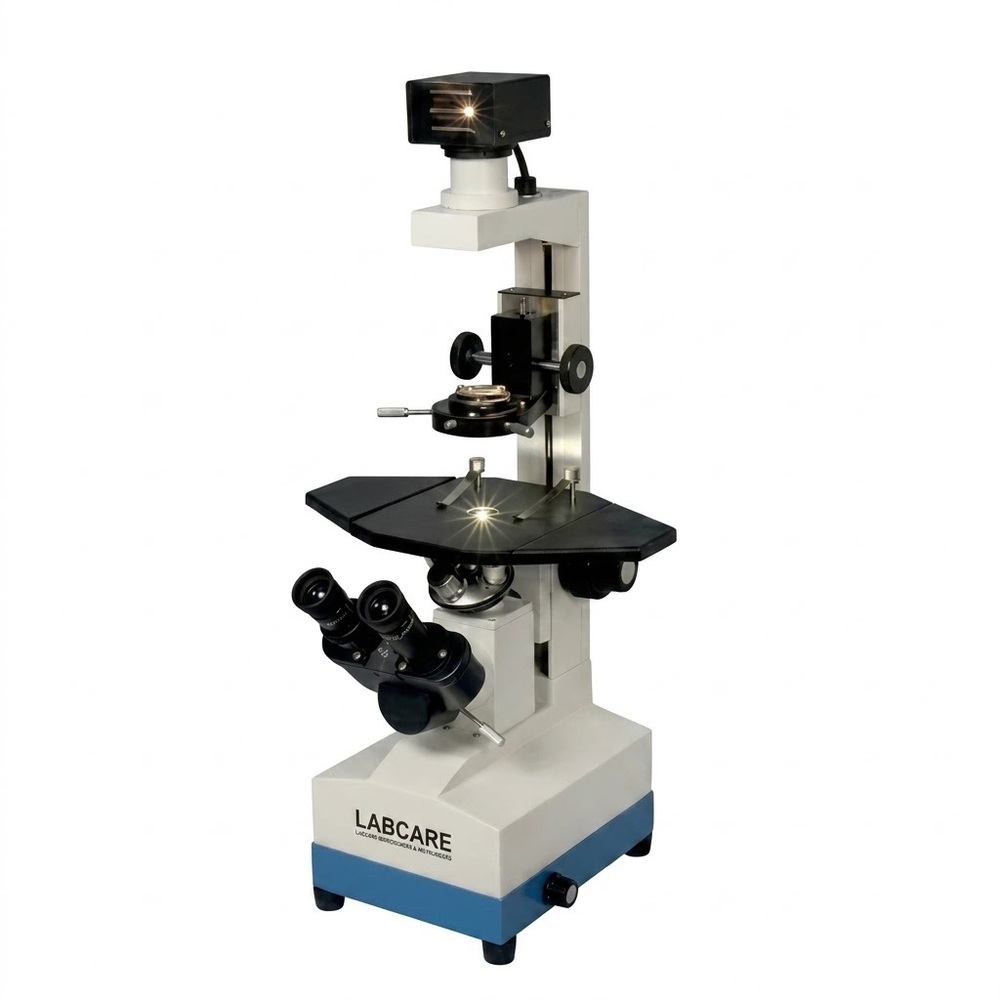

Tell us about your requirement

Price:
Quantity
Select Unit
- 50
- 100
- 200
- 250
- 500
- 1000+
Additional detail
Mobile number
Email

More Products in Laboratory Microscope Category
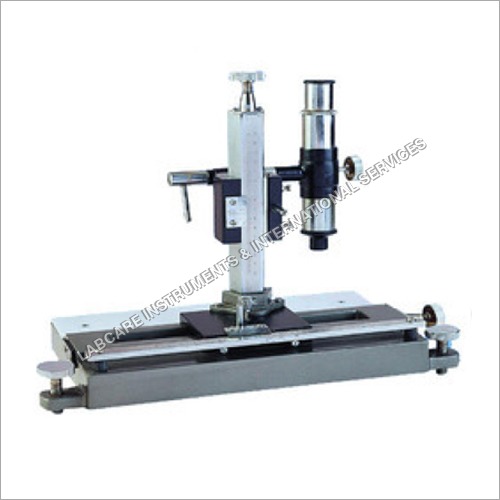
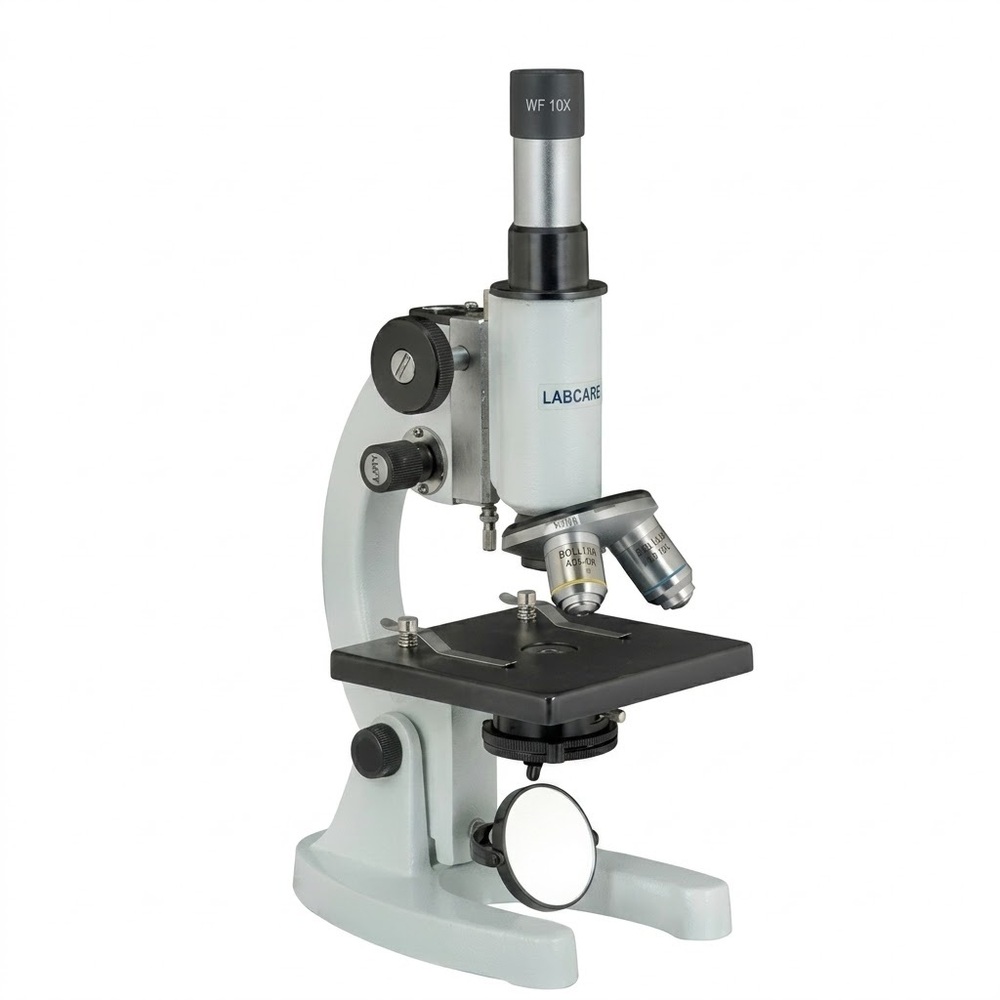
BM-5 Senior Laboratory Microscope, Magnification: 600x
Price 6200 INR / Piece
Minimum Order Quantity : 1 Piece
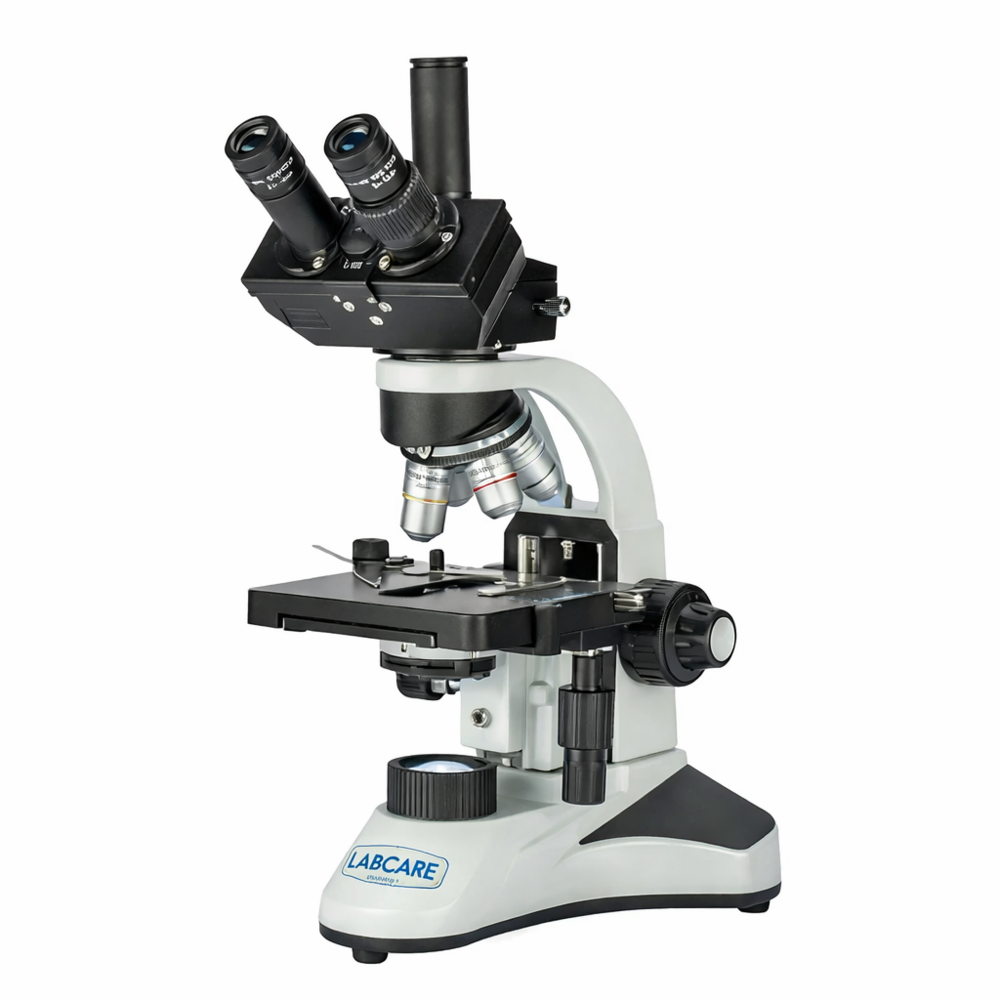
Upto 1000 Research Binocular Microscope BM-9TR, For Pathological Lab, LED
Price 24000 INR / Piece
Minimum Order Quantity : 1 Piece

LABCARE INSTRUMENTS & INTERNATIONAL SERVICES
GOVT. APPROVED MANUFACTURER, SUPPLIER AND EXPORTER
Send Inquiry
GOVT. APPROVED MANUFACTURER, SUPPLIER AND EXPORTER
 Send Inquiry
Our Products
- Laboratory Microscope
- Hospital Furnitures
- Pharmacy Instruments
- COVID-19 SAFETY EQUIPMENTS
- Physical Instruments
- Laboratory Glasswere
- Anatomical Models
- Laboratory Glassware
- MIDWIFERY & CHILD HEALTH CARE SECTION
- Unique Products
- Chemistry Lab Equipment
- Scientific Instrument
- scientific laboratory instruments
- Physics equipments
- Hospital Equipments
- Educational Equipments kits
- ANALOG LAB TRANING MODULES
- Engineering Models & Equipments.
- Scientific Instruments
- Math catalogue Math items
- Building Furniture for School, Collegs & Office
- EDUCATIONAL WORKING MODELS
- AGRICULTURE EQUIPMENTS
- GEOGRAPHY EQUIPMENTS SECTION
- Disposible items
- The Survey Engineering Equipments Section
- Nursing College Equipments
- Fluid Machnical Lab Equipmens Labcare-Online
- Heat Transfer Lab Appartus Labcare-Online
- Labcare Entomological Equipments.
- Science and Security Equipments
- Defence Utility Equipment
- Office Equipment
- Sanitary Napkins and Diapers
- I.T.I Tools and Machines
- SCIENCE LAB EQUIPMENT
- LABTRONIKS SPECTROPHOTOMETERS
- Nebulizers
- LABTRONIKS

Plant No 18, Near Shiv Mandir, Behind B D Flour Mill, Pragati Vihar,Ambala Cantt - 133001, Haryana, India

Mr Abhishek Kaushal
(CEO)
Mobile :07971191059
 Send Inquiry
 Send SMS
Developed and Managed by Infocom Network Private Limited.
