
 Send Inquiry
 Send Inquiry
Life Cycle of Tapeworm
Life Cycle of Tapeworm Specification
- Use
- Understanding and managing tapeworm infestations in animals.
- Assembly
- Tapeworm lifecycle requires the involvement of both animal hosts and mites for completion.
- Features
- Tapeworms develop inside an animal host and require mites as part of their lifecycle.
- Size
- Tapeworm sizes vary depending on their maturity and species.
- Style
- Biological lifecycle with inter-species dependency.
- Type
- Lifecycle of parasitic organism (Tapeworm).
- Material
- Biological organisms (tapeworms mites and animal hosts).
- Shape
- Tapeworms are segmented and elongated in structure.
- Function
- Lifecycle includes stages of growth in animals and replication in mites.
- Age
- Development in animals occurs during their growth stages (1-2½ months for initial maturation 2-4 months in the mite).
- Advantage
- Understanding the lifecycle of tapeworms helps in implementing effective control measures to protect animals and humans.
Life Cycle of Tapeworm About
Established in the year 1986 at Ambala (Haryana, India), we"LABCARE INSTRUMENTS" are a Sole Proprietorship firm affianced in manufacturing highly durable array of Anatomical Models, Microbiology Models, Community Medicines Models, Forensic Models New Addition and Forensic Model. We offer these products at reasonable prices and deliver these within the promised time-frame., we have been able to provide utmost satisfaction of our clients.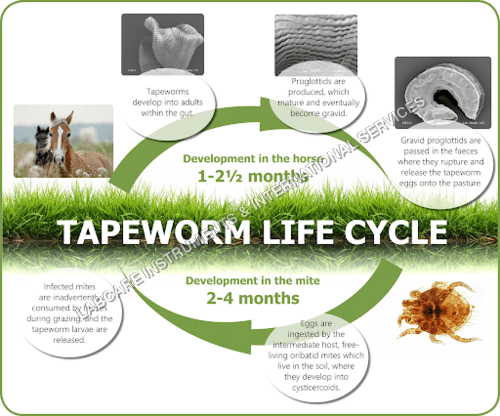

Price:
- 50
- 100
- 200
- 250
- 500
- 1000+

More Products in Anatomical Models Category
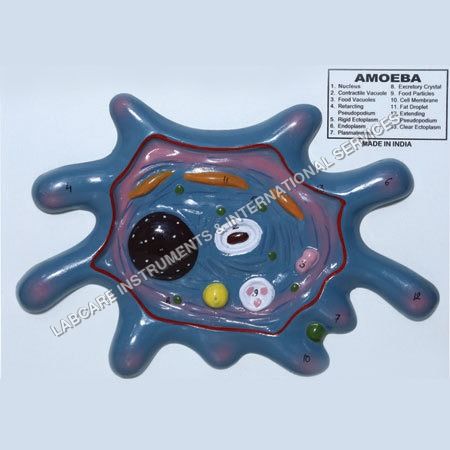
Amoeba model
Function : Motor skill development, Balance training
Shape : Amoeba
Model No : AMO601
Power Type : Manual
Type : Other, Seesaw, Rocker
Style : Modern, Ergonomic
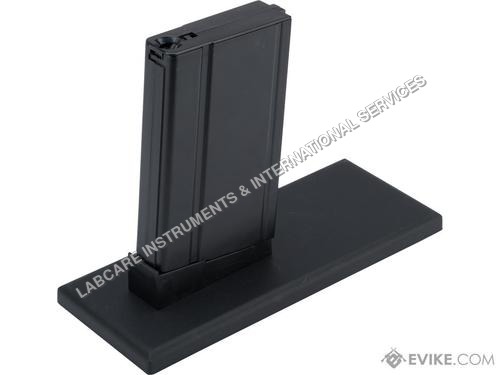
Stand for Above
Function : To securely hold and support items above surfaces
Shape : Rectangular Base with Upright Rod
Model No : SFA2023
Power Type : Nonelectric
Type : Other, Laboratory Stand / Support Stand
Style : Modern
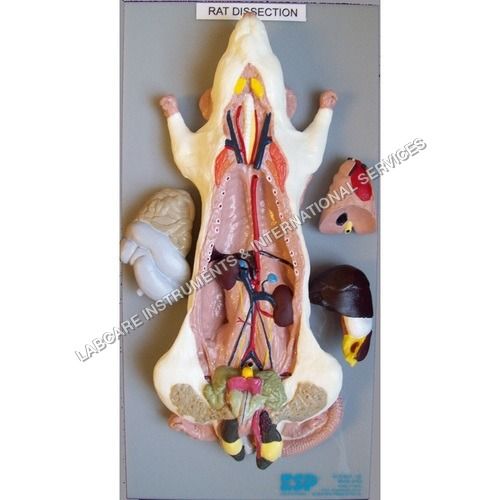
Rat Dissection model
Function : Shows internal organs and anatomical systems of a rat
Shape : Threedimensional rat figure
Model No : RATDS01
Power Type : Nonelectric, manual use only
Type : Other, Dissection model
Style : Anatomical teaching model
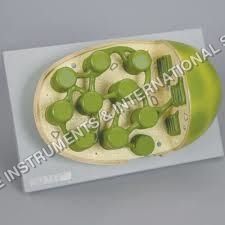
Chloroplast model
Function : Demonstrates structure and function of chloroplast
Shape : Oval/elliptical, replicates cell organelle
Model No : CPM2024
Power Type : Nonelectric
Type : Other, Threedimensional model
Style : Educational model

GOVT. APPROVED MANUFACTURER, SUPPLIER AND EXPORTER
 Send Inquiry
Our Products
- Laboratory Microscope
- Hospital Furnitures
- Pharmacy Instruments
- COVID-19 SAFETY EQUIPMENTS
- Physical Instruments
- Laboratory Glasswere
- Anatomical Models
- Laboratory Glassware
- MIDWIFERY & CHILD HEALTH CARE SECTION
- Unique Products
- Chemistry Lab Equipment
- Scientific Instrument
- scientific laboratory instruments
- Physics equipments
- Hospital Equipments
- Educational Equipments kits
- ANALOG LAB TRANING MODULES
- Engineering Models & Equipments.
- Scientific Instruments
- Math catalogue Math items
- Building Furniture for School, Collegs & Office
- EDUCATIONAL WORKING MODELS
- AGRICULTURE EQUIPMENTS
- GEOGRAPHY EQUIPMENTS SECTION
- Disposible items
- The Survey Engineering Equipments Section
- Nursing College Equipments
- Fluid Machnical Lab Equipmens Labcare-Online
- Heat Transfer Lab Appartus Labcare-Online
- Labcare Entomological Equipments.
- Science and Security Equipments
- Defence Utility Equipment
- Office Equipment
- Sanitary Napkins and Diapers
- I.T.I Tools and Machines
- SCIENCE LAB EQUIPMENT
- LABTRONIKS SPECTROPHOTOMETERS
- Nebulizers
- LABTRONIKS


 Send Inquiry
 Send SMS
Developed and Managed by Infocom Network Private Limited.
