
 Send Inquiry
 Send Inquiry
Microprocessor Spectrophotometer (Scanning Based)
Price 80000.0 INR/ Unit
MOQ : 1 Unit
Microprocessor Spectrophotometer (Scanning Based) Specification
- Feature
- Spectrum Scanning, Photometric, & Quantitative Analysis
- Capacity
- Single Beam, 4 Sample Holders
- Measurement Range
- 190-1100 nm (Wavelength)
- Automation Grade
- Semi-Automatic
- Power Source
- Electric, AC Mains
- Temperature Range
- 15C to 35C (Ambient)
- Model No
- LT 41
- Voltage
- 220 V
- Accuracy
- 0.005 Abs (0-0.5 Abs)
- Frequency
- 50 Hz
- Core Components
- Microprocessor, Photometric System, Tungsten Halogen Lamp
- Equipment Materials
- ABS Molded Housing
- Type
- Scanning Based, Microprocessor Controlled
- Usage
- Quantitative Analysis, Wavelength Scan, Absorbance Measurements
- Display Type
- LCD Graphical
- Dimension (L*W*H)
- 420 x 320 x 200 mm
- Weight
- Approx 8 Kg
- Stray Light
- 0.05% T at 220, 340 nm
- Wavelength Accuracy
- 0.3 nm
- Photometric Repeatability
- 0.2% T
- Sample Volume
- > 0.5 ml
- Scan Speed
- Fast, Medium, Slow (3 rates selectable)
- Data Output Port
- USB and Printer Port
- Light Source
- Tungsten Halogen Lamp & Deuterium Lamp
- Operating System Compatibility
- Windows Platform
- Wavelength Range
- 190-1100 nm
- Wavelength Repeatability
- 0.2 nm
- Photometric Range
- -0.3 - 3.0 Abs
- Base Line Flatness
- 0.002 Abs (200-1000 nm)
- Optional Accessories
- PC Software, Quartz Cuvettes, Dust Cover
- Detector
- Photodiode
- Spectral Bandwidth
- 2 nm
- Photometric Accuracy
- 0.5% T or 0.003 Abs (0-0.5 Abs)
- Cuvette Holder
- 4-Position Automatic Sample Holder
Microprocessor Spectrophotometer (Scanning Based) About
MICROPROCESSOR SPECTROPHOTOMETER SCANNING BASED
The Microprocessor Spectrophotometer Scanning Based is a high performance analytical instrument designed for precise measurement of absorbance, transmittance, and concentration over the ultraviolet and visible spectrum. Equipped with advanced microprocessor control and scanning technology, it provides accurate spectral analysis, excellent wavelength precision, and reliable performance for research, quality control, pharmaceutical, chemical, and educational laboratory applications.
FEATURES
Advanced microprocessor control
Scanning based measurement system
High wavelength accuracy
Excellent photometric precision
Digital display with user friendly interface
Fast spectral scanning capability
Multiple analytical modes
Data storage and transfer support
Stable and reliable performance
Compact and durable construction
APPLICATIONS
Research laboratories
Universities and educational institutions
Pharmaceutical laboratories
Chemical industries
Environmental testing laboratories
Food and beverage analysis
Clinical laboratories
Quality control laboratories
BENEFITS
Accurate and repeatable measurements
Rapid spectral analysis
Easy operation and maintenance
Reliable long term performance
Suitable for routine and advanced laboratory applications
High efficiency analytical testing
Advanced Scanning and Measurement Capability
Engineered for versatility, the Microprocessor Spectrophotometer covers extensive wavelength scanning (190-1100 nm) and supports fast, medium, and slow rates, streamlining a broad spectrum of analytical needs. Its semi-automatic operation, combined with easy software integration, ensures efficiency in absorbance, photometric, and quantitative analyses.
Designed for Reliable Analytical Performance
With high wavelength accuracy (0.3 nm) and stability, this spectrophotometer provides precise data for research, education, and industrial applications. The inclusion of tungsten halogen and deuterium lamps, along with precise photodiode detection, delivers consistent and reliable absorbance measurements across the UV-Visible spectrum.
User-Friendly Features and Robust Build
The model boasts an LCD graphical display, automatic cuvette positioning, and an ergonomic design with ABS molded housing. It supports PC connectivity via USB, facilitating easy data transfer and report generation. Its compact build and lightweight (approx. 8 kg) make it suitable for most laboratory setups.
FAQ's of Microprocessor Spectrophotometer (Scanning Based):
Q: How can I perform wavelength scanning with this spectrophotometer?
A: You can initiate wavelength scanning by selecting your desired scan range (190-1100 nm) and scan speed (fast, medium, or slow) from the device interface or PC software. The automatic sample holder facilitates quick sample exchanges for efficient workflow.Q: What are the main benefits of a scanning-based microprocessor spectrophotometer?
A: A scanning-based spectrophotometer provides detailed spectral information, high accuracy, repeatability, and flexible measurement options. It enables precise quantitative analysis and easy data management through its USB and printer ports, making it ideal for research and quality control.Q: When should I use the deuterium lamp versus the tungsten halogen lamp?
A: Use the deuterium lamp for UV measurements (typically 190-350 nm) and switch to the tungsten halogen lamp for the visible spectrum (above 350 nm). The system handles switching automatically based on your selected wavelength range.Q: Where can this spectrophotometer be installed and operated?
A: This spectrophotometer is suitable for controlled laboratory environments and research facilities. It should be used at ambient temperatures between 15C and 35C and situated on a stable lab bench to ensure accuracy and stability during operation.Q: What process is involved in setting up the instrument for quantitative analysis?
A: To perform quantitative analysis, place samples in the provided quartz cuvettes, use the automatic sample holder for positioning, select the desired method using the LCD display or PC software, and follow on-screen prompts for calibration and measurement. Results can be saved or printed directly.Q: How much sample volume is required for measurement?
A: A minimum sample volume of more than 0.5 ml is recommended to ensure accurate absorbance readings within the cuvette and optimal signal detection.Q: What optional accessories are available for this model?
A: Optional accessories include PC software for enhanced data analysis, additional quartz cuvettes, and a dust cover. These enhance the instrument's usability and help protect it during periods of non-use.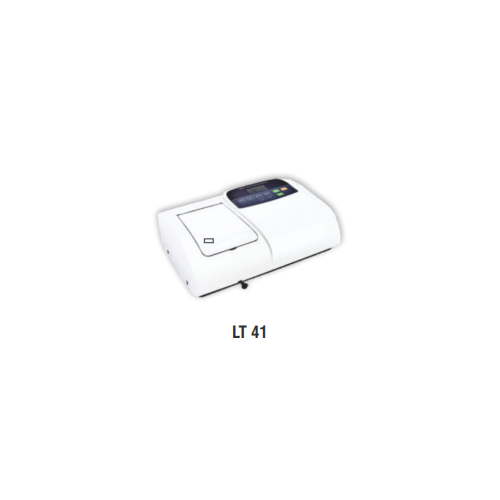
Tell us about your requirement

Price:
Quantity
Select Unit
- 50
- 100
- 200
- 250
- 500
- 1000+
Additional detail
Mobile number
Email

More Products in LABTRONIKS Category
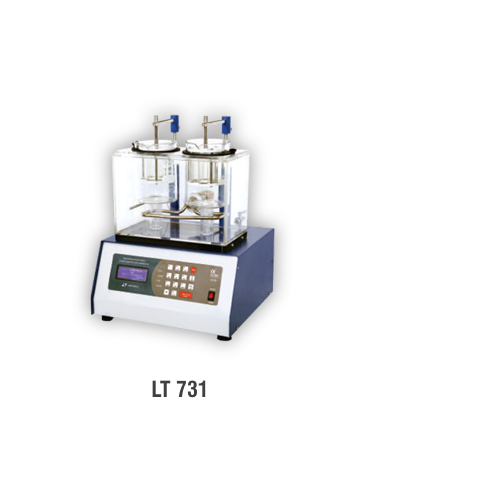
Labtroniks Microprocessor Disintegration Test Apparatus (2 Basket
Price 57000 INR / Unit
Minimum Order Quantity : 1 Unit
Model No : LMDA2102
Weight : Approx. 20 kg
Automation Grade : Automatic
Temperature Range : ambient to 45C
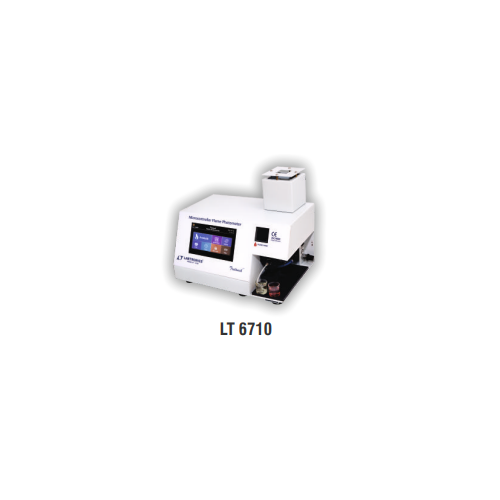
Labtroniks Digital Flame Photometer (Dual Channel)
Price 37000.0 INR / Unit
Minimum Order Quantity : 1 Unit
Model No : LT 6710
Weight : Approximately 710 kg (varies based on configuration)
Automation Grade : Semiautomatic
Temperature Range : Ambient to operational flame temperature
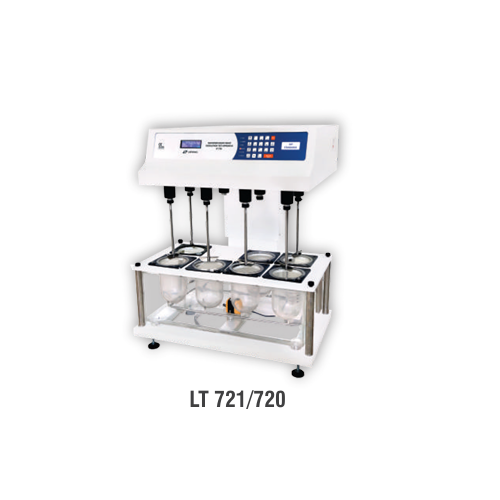
Labtroniks Microprocessor Dissolution Test Apparatus (Eight Basket
Price 240000 INR / Unit
Minimum Order Quantity : 1 Unit
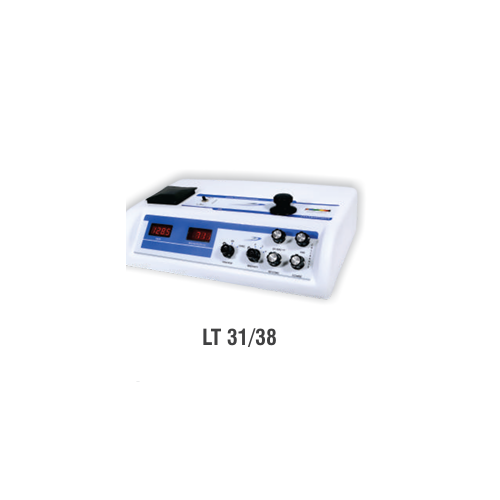
Labtroniks Digital Spectrophotometer (Double Display)
Price 32000 INR / Unit
Minimum Order Quantity : 1 Unit

LABCARE INSTRUMENTS & INTERNATIONAL SERVICES
GOVT. APPROVED MANUFACTURER, SUPPLIER AND EXPORTER
Send Inquiry
GOVT. APPROVED MANUFACTURER, SUPPLIER AND EXPORTER
 Send Inquiry
Our Products
- Laboratory Microscope
- Hospital Furnitures
- Pharmacy Instruments
- COVID-19 SAFETY EQUIPMENTS
- Physical Instruments
- Laboratory Glasswere
- Anatomical Models
- Laboratory Glassware
- MIDWIFERY & CHILD HEALTH CARE SECTION
- Unique Products
- Chemistry Lab Equipment
- Scientific Instrument
- scientific laboratory instruments
- Physics equipments
- Hospital Equipments
- Educational Equipments kits
- ANALOG LAB TRANING MODULES
- Engineering Models & Equipments.
- Scientific Instruments
- Math catalogue Math items
- Building Furniture for School, Collegs & Office
- EDUCATIONAL WORKING MODELS
- AGRICULTURE EQUIPMENTS
- GEOGRAPHY EQUIPMENTS SECTION
- Disposible items
- The Survey Engineering Equipments Section
- Nursing College Equipments
- Fluid Machnical Lab Equipmens Labcare-Online
- Heat Transfer Lab Appartus Labcare-Online
- Labcare Entomological Equipments.
- Science and Security Equipments
- Defence Utility Equipment
- Office Equipment
- Sanitary Napkins and Diapers
- I.T.I Tools and Machines
- SCIENCE LAB EQUIPMENT
- LABTRONIKS SPECTROPHOTOMETERS
- Nebulizers
- LABTRONIKS

Plant No 18, Near Shiv Mandir, Behind B D Flour Mill, Pragati Vihar,Ambala Cantt - 133001, Haryana, India

Mr Abhishek Kaushal
(CEO)
Mobile :07971191059
 Send Inquiry
 Send SMS
Developed and Managed by Infocom Network Private Limited.
