
 Send Inquiry
 Send Inquiry
Single Cylinder Diesel Engine Model Labcare
Single Cylinder Diesel Engine Model Labcare Specification
- Surface Finish
- Smooth Painted & Plated Surfaces
- Model No
- Labcare LSI-144
- Assembly
- Pre-Assembled for Immediate Use
- Power Type
- Manual (Hand Operated)
- Use
- For Laboratory and Teaching Use
- Features
- Sectional Model, Removable Parts, Hand Operated Crank
- Size
- Standard Laboratory Size
- Weight
- Approx. 2.5 Kg
- Style
- Educational Model
- Type
- Diesel Engine Working Model
- Material
- High Quality Metal & Plastic
- Dimensions
- 350 x 250 x 200 mm approx.
- Shape
- Engine Assembly Shape
- Color
- Multi-Color as per Actual Model
- Function
- Demonstrate Internal Mechanism of Single Cylinder Diesel Engine
- Age
- For Educational Use (14+ Years)
- Advantage
- Detailed Construction, Ideal for Study and Demonstration
- Teaching Aid
- Yes, Suitable for Demonstration Purposes
- Ignition System
- Visible Ignition System Demonstration
- Rotating Components
- Crankshaft, Piston, Valves Movable
- Packing Type
- Box Packed with Protective Thermocol
- No. of Cylinders
- Single Cylinder
- Instruction Manual
- Provided
- Application
- Engineering College, Polytechnic, School Lab
Single Cylinder Diesel Engine Model Labcare Trade Information
- FOB Port
- mumbai
- Payment Terms
- Cash Against Delivery (CAD), Cash on Delivery (COD), Days after Acceptance (DA), Delivery Point (DP), Letter of Credit at Sight (Sight L/C), Telegraphic Transfer (T/T), Western Union, Paypal, Letter of Credit (L/C), Cash in Advance (CID), Cheque, Cash Advance (CA)
- Supply Ability
- 50 Per Month
- Delivery Time
- 1 Week
- Sample Available
- Yes
- Sample Policy
- Sample costs shipping and taxes has to be paid by the buyer
- Packaging Details
- Wooden packing certificate
- Main Export Market(s)
- Western Europe, Middle East, Asia, Central America, Eastern Europe, North America, Australia, Africa
- Main Domestic Market
- All India
- Certifications
- ISO AND MSME CERTIFIED PRODUCTS
About Single Cylinder Diesel Engine Model Labcare
Labcare Instruments & International Services. Menufacturer and Exporter of Lab quipments, Hospital,pharmarcy,Medical collges, schools, Engineering collegs, B.Tech,M.tech, engineering tradesequipments also. Biological, chemistry, physics , Dental, Nursing, endoscopy, physcological,Lab glasswere, Educational Models Menufacturer Ambala india Labcare-online
colleges Lab equipments menufacturer Ambala India. labcare Online
Laboratory glasswere menufacturer Ambala India. Labcare online
Test tube Menufacturer in Firojabad india. labcare online
Microscope menufacturer Ambala india. labcare online
Physics lab equipments menufacturer Ambala Labcare Online
Web: www.labcareinstruments.com
web: www.labcareambala.com
email: www.labcareinstruments65@gmail.com
Mb- +91 8708985143
Customer Care No. 01712690464
Detailed Construction and Operation
This model is meticulously designed to illustrate the complete internal workings of a single-cylinder diesel engine. Its visible ignition system and moving components allow students to observe and understand each stage of engine operation, making theoretical concepts tangible and engaging during demonstrations.
Versatile Teaching Aid for Practical Learning
Pre-assembled and ready for immediate use, the engine model serves educators in engineering colleges, polytechnics, and high school labs. Its sectional design and removable parts encourage interactive exploration, helping learners acquire practical knowledge on engine mechanisms, maintenance, and design principles.
Safe and Durable for Classroom Environments
Constructed from robust metal and plastic, the Labcare LSI-144 withstands regular lab use while maintaining a smooth and visually appealing finish. Protective packaging and an included instruction manual ensure secure transport and straightforward setup, supporting safe and effective educational demonstrations.
FAQs of Single Cylinder Diesel Engine Model Labcare:
Q: How does the Labcare LSI-144 Single Cylinder Diesel Engine Model demonstrate the internal mechanism of an engine?
A: The model features sectional and removable parts, along with a hand-operated crank. Students can manually rotate the crank to visualize the movement of the crankshaft, piston, and valves, while the visible ignition system provides clear insight into the combustion cycle and mechanical functions.Q: What materials are used in the construction of this teaching model, and why are they suitable for laboratory use?
A: The engine model is made from high-quality metal and plastic, chosen for durability, safety, and ease of maintenance. These materials resist wear and provide a realistic feel, ensuring reliable performance during repetitive classroom demonstrations.Q: When is this model most effectively used in an educational setting?
A: The Labcare LSI-144 model is ideal for laboratory sessions in engineering colleges, polytechnics, and school labs, particularly during lessons covering internal combustion engines, mechanical engineering principles, and practical demonstrations for students aged 14 and above.Q: Where can the Labcare Single Cylinder Diesel Engine Model be utilized?
A: This model is suitable for use in academic institutions such as engineering colleges, polytechnic institutes, and schools. It serves as both a teaching and demonstration aid in laboratory environments dedicated to technical education.Q: What process does a student follow to operate and interact with this engine model?
A: Students use the hand-operated crank to rotate the engine components, observe the manipulation of moving parts, and explore the assembly. The provided instruction manual guides learners through the internal mechanisms, enhancing their practical understanding of engine operation.Q: What benefits does this diesel engine model offer compared to non-working or static models?
A: Unlike static models, the Labcare LSI-144 provides interactive demonstrations with visible ignition and moving components, aiding in the comprehensive understanding of engine dynamics and construction details. This hands-on approach greatly improves conceptual clarity and engagement among learners.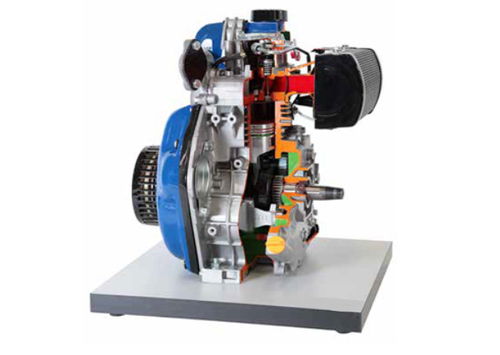

Price:
- 50
- 100
- 200
- 250
- 500
- 1000+

More Products in Engineering Models & Equipments. Category
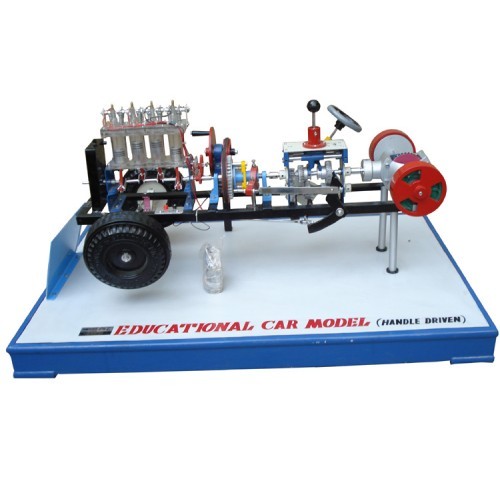
Engine cut section model
Surface Finish : Powder Coated, Smooth Surface
Dimensions : 40 cm x 30 cm x 35 cm
Age : Suitable for Students 10 Years & Above
Type : Other, Internal Combustion Engine Model
Model No : ECM01
Assembly : PreAssembled

CIVIL ENGINEERING MODEL
Surface Finish : Smooth, gloss finish
Dimensions : 28 cm x 24 cm x 14 cm
Age : Suitable for students aged 14 years and above
Type : Other, Physical model
Model No : CEM2024
Assembly : Preassembled with minor user setup
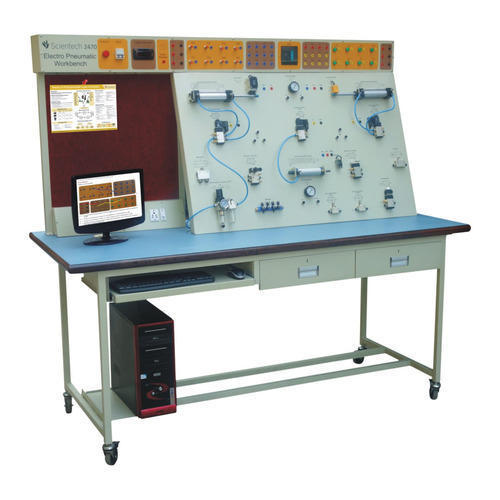
Electronic Lab trainer Labcare-Online
Surface Finish : Smooth, printed component layout
Dimensions : 430 x 290 x 120 mm
Age : Above 16 years (educational purpose)
Type : Other, Electronic Lab Trainer
Model No : LBELT01
Assembly : Ready to use, no assembly required

sit and set model
Surface Finish : Matte, smooth touch
Dimensions : H 30 cm x W 40 cm x D 35 cm
Age : 3 years and above
Type : Other, Childrens seating set
Model No : SitSet 2024
Assembly : No assembly required

GOVT. APPROVED MANUFACTURER, SUPPLIER AND EXPORTER
 Send Inquiry
Our Products
- Laboratory Microscope
- Hospital Furnitures
- Pharmacy Instruments
- COVID-19 SAFETY EQUIPMENTS
- Physical Instruments
- Laboratory Glasswere
- Anatomical Models
- Laboratory Glassware
- MIDWIFERY & CHILD HEALTH CARE SECTION
- Unique Products
- Chemistry Lab Equipment
- Scientific Instrument
- scientific laboratory instruments
- Physics equipments
- Hospital Equipments
- Educational Equipments kits
- ANALOG LAB TRANING MODULES
- Engineering Models & Equipments.
- Scientific Instruments
- Math catalogue Math items
- Building Furniture for School, Collegs & Office
- EDUCATIONAL WORKING MODELS
- AGRICULTURE EQUIPMENTS
- GEOGRAPHY EQUIPMENTS SECTION
- Disposible items
- The Survey Engineering Equipments Section
- Nursing College Equipments
- Fluid Machnical Lab Equipmens Labcare-Online
- Heat Transfer Lab Appartus Labcare-Online
- Labcare Entomological Equipments.
- Science and Security Equipments
- Defence Utility Equipment
- Office Equipment
- Sanitary Napkins and Diapers
- I.T.I Tools and Machines
- SCIENCE LAB EQUIPMENT
- LABTRONIKS SPECTROPHOTOMETERS
- Nebulizers
- LABTRONIKS


 Send Inquiry
 Send SMS
Developed and Managed by Infocom Network Private Limited.
