
 Send Inquiry
 Send Inquiry
Liver model
Liver model Specification
- Size
- Life Size
- Features
- Segmented Lobes, Anatomical Accuracy
- Model No
- LM-5929193
- Assembly
- No Assembly Required
- Use
- Medical Education, Demonstration, Student Learning
- Surface Finish
- Smooth, Painted Finish
- Power Type
- Non-Powered
- Weight
- Approx. 350 grams
- Style
- Anatomical Teaching Model
- Type
- Educational Anatomical Replica
- Material
- High-Quality PVC Plastic
- Dimensions
- Approx. 18 cm x 12 cm x 6 cm
- Shape
- Three-dimensional Liver Form
- Color
- Realistic Multicolor
- Function
- Displays Structure of Human Liver
- Age
- Suitable for All Ages
- Advantage
- Highly Detailed, Durable, Washable
- Portability
- Lightweight and Portable
- Water Resistance
- Yes
- Maintenance
- Easy to Clean
- Lifespan
- Long-lasting
- Usage Area
- Laboratory, Schools, Colleges, Hospitals
- Dissection
- Non-Dissectible
- Packaging
- Individual Box Packed
Liver model Trade Information
- FOB Port
- MUMBAI
- Payment Terms
- Cash Against Delivery (CAD), Cash on Delivery (COD), Letter of Credit (L/C), Letter of Credit at Sight (Sight L/C), Western Union, Paypal, Telegraphic Transfer (T/T), Delivery Point (DP), Days after Acceptance (DA), Cash in Advance (CID), Cheque, Cash Advance (CA)
- Supply Ability
- 50 Per Week
- Delivery Time
- 1 Week
- Sample Available
- Yes
- Sample Policy
- Sample costs shipping and taxes has to be paid by the buyer
- Packaging Details
- card board packing
- Main Export Market(s)
- Asia, Australia, North America, South America, Eastern Europe, Western Europe, Middle East, Africa, Central America
- Main Domestic Market
- All India
- Certifications
- ISO Certified product
Liver model About
Realistic Anatomical Accuracy
The liver model features a three-dimensional life-size design with segmented lobes, capturing intricate anatomical details essential for comprehensive medical education. Its accurate multicolor painting helps users distinguish atomic liver structures, making it an effective tool for both teaching and self-study.
Built for Durability and Hygiene
Made from high-quality PVC plastic, the model is sturdy, washable, water-resistant, and easy to maintain. The smooth painted finish ensures that it is hygienic and suitable for continuous handling in educational or clinical environments, prolonging its usability and value.
Portability and Versatility
Weighing just 350 grams and requiring no assembly, this lightweight liver replica is effortless to transport between classes, clinics, or labs. Its individual box packaging further protects the model and makes it easy to store or distribute, fitting the requirements of distributors, exporters, and educational suppliers across India.
FAQs of Liver model:
Q: How can the liver anatomical model be utilized in educational environments?
A: The liver model is designed for demonstrations, classroom teaching, and hands-on student learning sessions in laboratories, schools, colleges, and hospitals. Its life-size, anatomically correct form helps students and professionals understand the structure and function of the human liver.Q: What material is the model made from, and does it require special maintenance?
A: This model is constructed from high-quality PVC plastic, making it highly durable, washable, and water-resistant. Maintenance is easysimply clean its surface with mild soap and water after use to maintain hygiene and preserve the painted finish.Q: When is it beneficial to use a non-dissectible liver model?
A: A non-dissectible model like this is ideal when the focus is on external morphology or general liver structure, rather than internal dissection. It is particularly suited for demonstrations, initial anatomy lessons, or patient education where durability and repeated use are needed.Q: Where can this anatomical liver model be used effectively?
A: It is suitable for multiple settings, such as science classrooms, teaching laboratories, medical colleges, and hospital training rooms. Its portability and robust construction mean it can be relocated and used wherever anatomical instruction is required.Q: What is the process for cleaning and maintaining the liver model?
A: Cleaning is straightforward: simply wipe the model with a damp cloth and mild soap. Rinse if necessary and dry with a soft towel. The smooth and water-resistant surface ensures easy maintenance and long-term usability.Q: How does the model aid in demonstrating human liver structure?
A: The models segmented lobes, three-dimensional shape, and realistic coloring allow users to clearly visualize the important anatomical regions and functions of the human liver. This visual aid enhances comprehension for students and provides an effective demonstration tool for educators.Q: What advantages does this liver model offer to medical distributors and educational suppliers?
A: Its individual protective packaging, lightweight design, and long-lasting durability make it an excellent choice for distributors, exporters, and suppliers. The model satisfies diverse customer needs in India, supporting efficient distribution and customer satisfaction.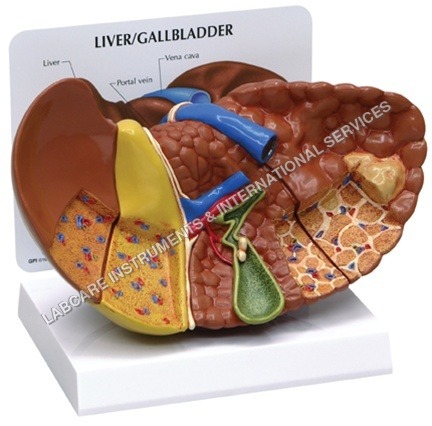

Price:
- 50
- 100
- 200
- 250
- 500
- 1000+

More Products in Anatomical Models Category
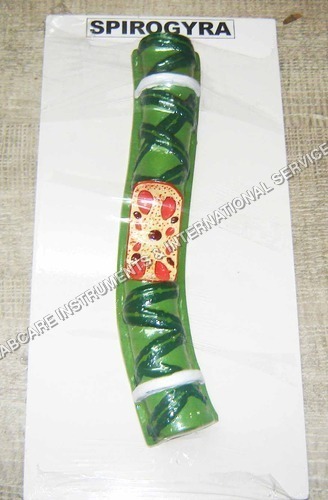
Spirogyra
Features : Spiral chloroplast arrangement, rapid reproduction, nontoxic
Function : Produces oxygen, supports aquatic ecosystem, nutrient absorption
Advantage : Photosynthetic, oxygengenerating, bioindicator for water health
Model No : Spirogyra5924
Shape : Filamentous, spiral chloroplasts
Size : Strands from few centimeters up to several meters
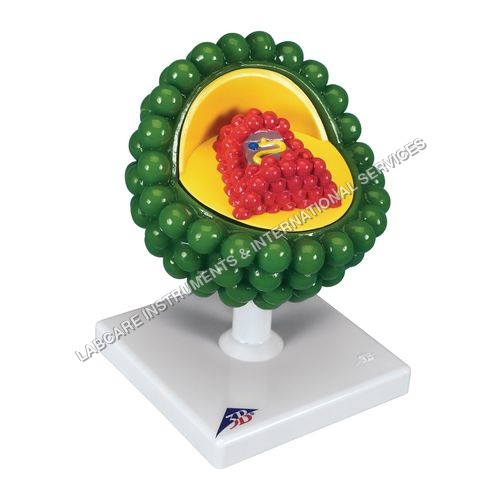
Virus model
Features : Removable parts, Labelled components
Function : Visual aid for studying virus structure
Advantage : Durable and easytoclean, Accurate representation
Model No : VMS2024
Shape : Threedimensional virus model
Size : Large Display Size
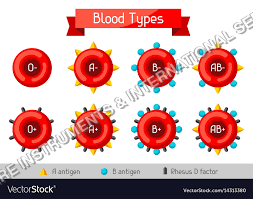
Blood Groups Model
Features : Durable, Washable, Reusable
Function : Demonstrates Different Human Blood Groups, O, A, B, AB Both Rh+ and Rh types
Advantage : Visual Representation of Blood Group Types, Easy Demonstration
Model No : BGM01
Shape : Rectangular Board with Raised Group Sections
Size : Large Display Size
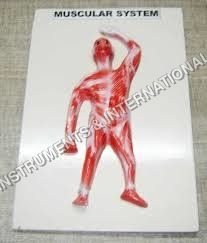
Muscular System Front View Model
Features : Detailed, Lightweight, NonToxic, Stable Base
Function : Demonstrates Human Muscular System (Front View)
Advantage : Durable, Washable, Accurate Representation
Model No : MSFV01
Shape : Human Body, Front Muscular Structure
Size : Approx. 85 x 30 x 15 cm

GOVT. APPROVED MANUFACTURER, SUPPLIER AND EXPORTER
 Send Inquiry
Our Products
- Laboratory Microscope
- Hospital Furnitures
- Pharmacy Instruments
- COVID-19 SAFETY EQUIPMENTS
- Physical Instruments
- Laboratory Glasswere
- Anatomical Models
- Laboratory Glassware
- MIDWIFERY & CHILD HEALTH CARE SECTION
- Unique Products
- Chemistry Lab Equipment
- Scientific Instrument
- scientific laboratory instruments
- Physics equipments
- Hospital Equipments
- Educational Equipments kits
- ANALOG LAB TRANING MODULES
- Engineering Models & Equipments.
- Scientific Instruments
- Math catalogue Math items
- Building Furniture for School, Collegs & Office
- EDUCATIONAL WORKING MODELS
- AGRICULTURE EQUIPMENTS
- GEOGRAPHY EQUIPMENTS SECTION
- Disposible items
- The Survey Engineering Equipments Section
- Nursing College Equipments
- Fluid Machnical Lab Equipmens Labcare-Online
- Heat Transfer Lab Appartus Labcare-Online
- Labcare Entomological Equipments.
- Science and Security Equipments
- Defence Utility Equipment
- Office Equipment
- Sanitary Napkins and Diapers
- I.T.I Tools and Machines
- SCIENCE LAB EQUIPMENT
- LABTRONIKS SPECTROPHOTOMETERS
- Nebulizers
- LABTRONIKS


 Send Inquiry
 Send SMS
Developed and Managed by Infocom Network Private Limited.
